
FROM wicked witches to blood-soaked serial killers, dandy highwaymen and loveable rogues, fans of true crime have been gripped by sensational stories for almost half a millennia.
Now as the genre takes new forms across digital and social media, a Newcastle University journalism expert is challenging audiences to think about how their decisions might impact on victims, drive unethical practices of content producers – and might even fuel crime itself.
Dr Bethany Usher, a former crime journalist and author of the recently released book Journalism and Crime, is hosting a free public event at Newcastle’s Lit and Phil Society on November 7, which explores the history of true crime and crime news and the place of fans in shaping it.
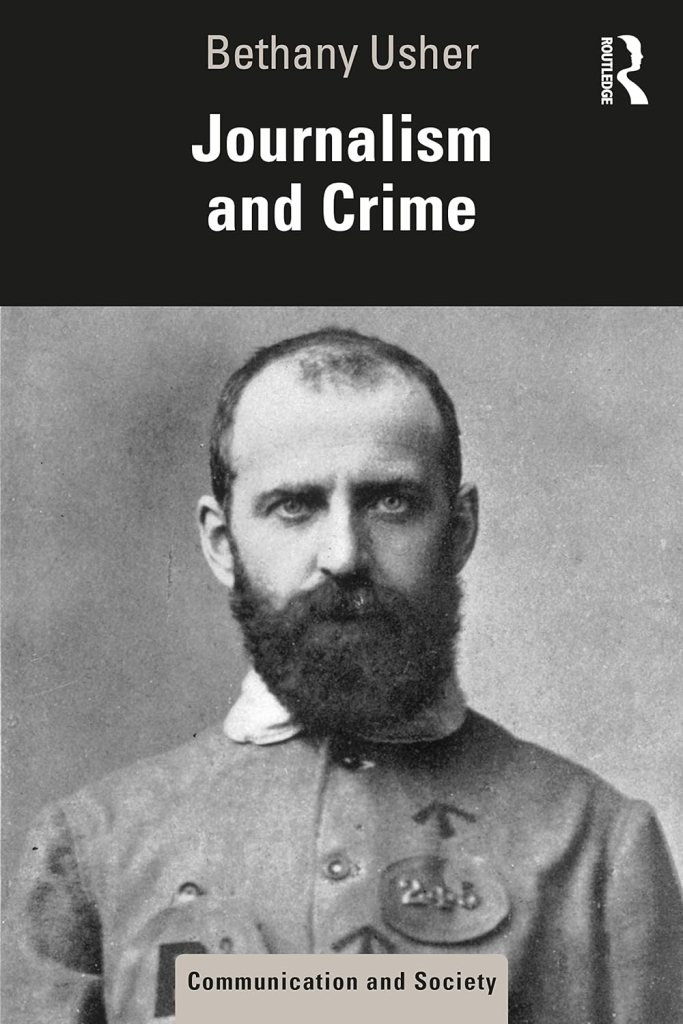
Dr Usher, who is also Director of Education for Newcastle University’s School of Arts and Cultures, said: “This is part of a series of events which aim to educate those who create crime content and those who engage with it about ethical practices, so we can forefront work that it is in the public interest and really think about the impact on victims.
“True crime is a global phenomena and there is growing concern about how we might steer it to better ethical practices that reflect the realities of production across digital news, social media and influencing cultures, podcast and documentary forms.
“But to do so, we first we need a understand how it developed in the first place, and they ways audiences shaped it. This will give people a chance to delve into the history and think about how they might steer where the genre goes next.”

The evening is funded by the Economic and Social Research Council as part of their 2024 Festival of Social Sciences and will take participants on a gallop through the history of true crime so they they might better distinguish between ethical and unethical content.
Dr Usher, who has been working with true crime producers, crime journalists and leading scholars from across the world to refine a proposed 10-point code of ethical practice, is now looking to develop a kitemark by which audiences can quickly identify ethical content.
She hopes that attendees will take away some practical tips to be more mindful about how they might fuel clickbait, amateur sleuthing and uncaring attitudes towards victims of crime and their families.
“In the age of networked digital media, the place of audiences and their decisions about what to click on, share, like and comment upon is ever more important in shaping what might be produced,” she added.
“In newsrooms the number of clicks is monitored, streaming services such as Netflix or podcasting platforms will commission similar content to what is popular, and influencers on TikTok and YouTube the same.
“But existing codes-of-conduct only guide professionals in mainstream media and still divide by platform, which means they aren’t really made for the realities of contemporary crime media production and the significance of audience. Events such as this aim to improve public understand of how this oldest of all media genres can have devastating consequences on people’s lives.”
“The Truth About True Crime and Crime News: What are YOUR ethical responsibilities? ” is hosted by Newcastle’s Lit and Phil Society, 23 Westgate Road on November 7 at 6.45pm. Book your free ticket via eventbrite here. You can find out more about Dr Usher’s work and forthcoming events at www.bethanyusher.com
 Author / Journalist / Academic / Educator
Leave a comment