
The 10-point Code for the Production of Journalistic Crime Content outlined below was inspired by both the Journalist’s Creed (1914), which formed the basis of the first university training and began by setting parameters for practice, and the many crime reporter associations that sprung forth in mid-20th century Britain and the US.
Bethany is currently working on a research bid to further this work, working with journalists, podcasters, documentary makes and influencers.
“Existing codes of practice are far too wedded to old platforms, out-of-date understandings of industry and narrow perspectives of what is or should be classified as crime journalism.” (Usher, 2024: 263)
On one hand, these give too many opportunities to push the boundaries due to broad and non-genre-specific definitions of public interest and on the other hand they allow producers of what is at the very least journalistic crime content to use the excuse of “but I am not a journalist” as a get-out clause.
Adopting the code might offer opportunities for privileges of access to authorities of criminal justice, including police. However, instead of this being a reward of platform and position, it instead looks to shared and agreed values of ethical practice
This does not aim to supplant current codes – that seems more unachievable than ever – but looks to provide a focused public interest definition and a set of working principles that reflects the very human stakes at play.
It is informed by practice, research and discussions with those producing crime journalism and asks for individuals to sign up.
Let’s begin with defining the public interest when it relates to crime and in opposition to what it is not.
ecture, Bethany explains the origins of crime journalism and its relationship with cultures of fame.
Journalistic crime content and the public interest
The exposure of criminality or evidence-based risks of crime is in the public interest. This includes how it is dealt with by criminal justice authorities and the courts including potential miscarriages of justice or impropriety of process. There is a public interest defence in exposing malpractice by media professionals during the reporting of crime. It is not in the public interest to report crime only for commercial gain, nor to produce material based on rumour, conjecture or falsehoods.
FAQs
Find out more…
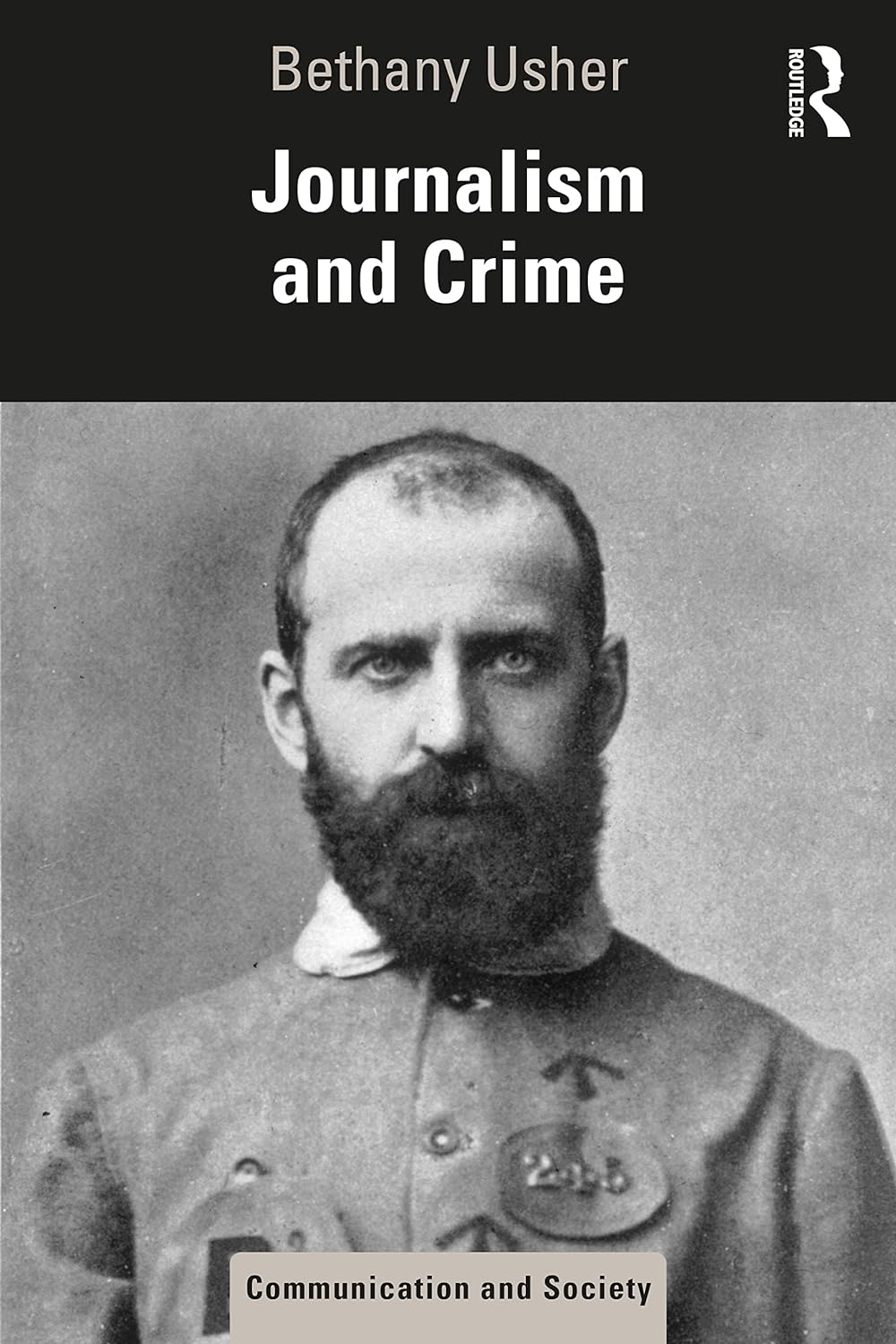
The full discussion of the 10-point code for Journalistic Crime Content is available in Journalism and Crime
 Author / Journalist / Academic / Educator